

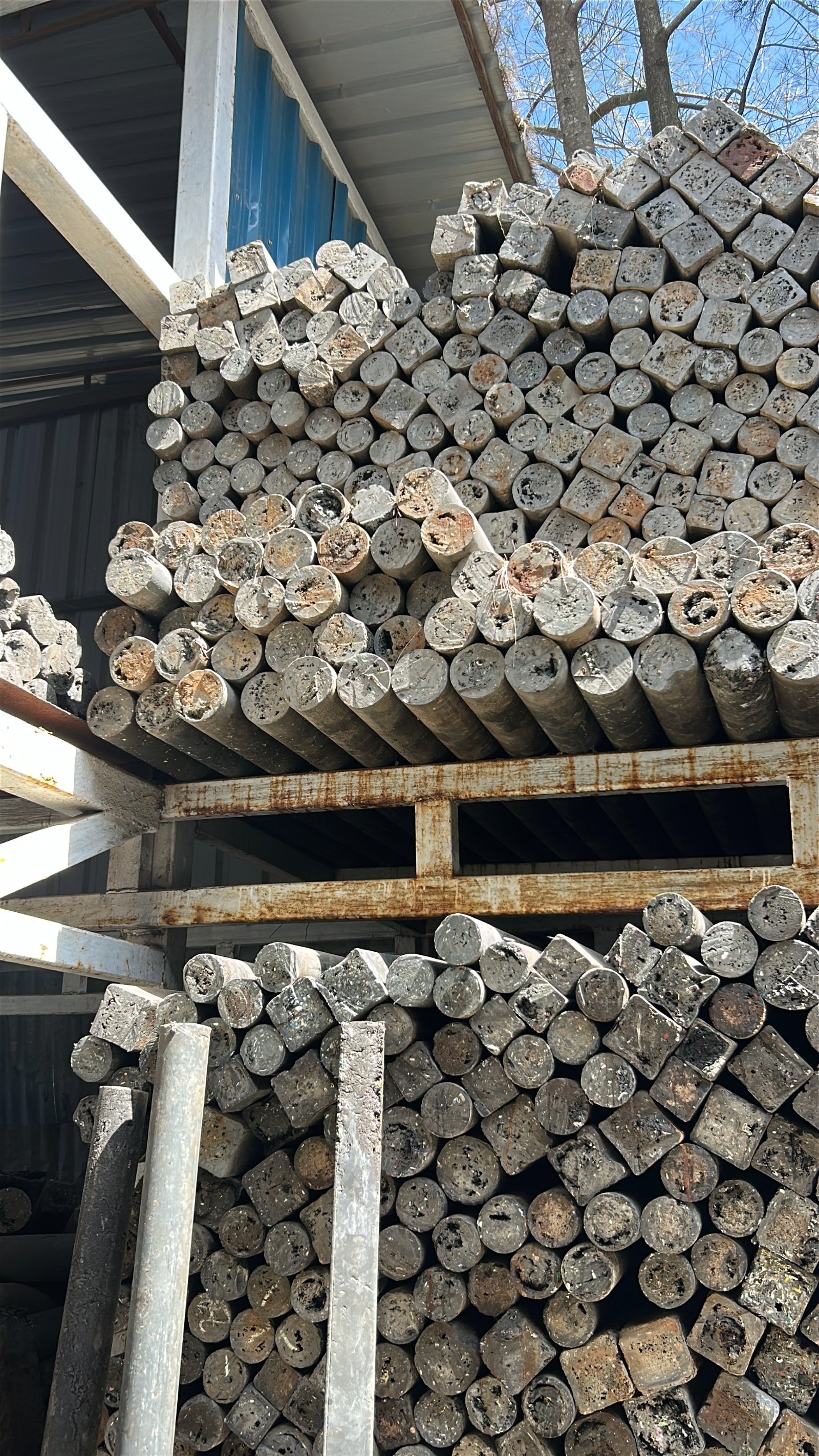
At Consuming Carbon, we are always looking for bold, practical solutions that move sustainability from idea to action. That is why our Africa team, led by Charles Cardovillis, recently visited Silverlink: a company turning waste plastic into durable poles and other useful products.
Silverlink is redefining how plastic waste can be reused at scale. Instead of letting discarded plastics become an environmental burden, they turn them into long-lasting materials that replace wood-based products and reduce pressure on natural forests. Their work is a powerful example of the ingenuity we continue to see across Africa's growing climate and circular economy ecosystem.
The beginning: a sack of shredded waste
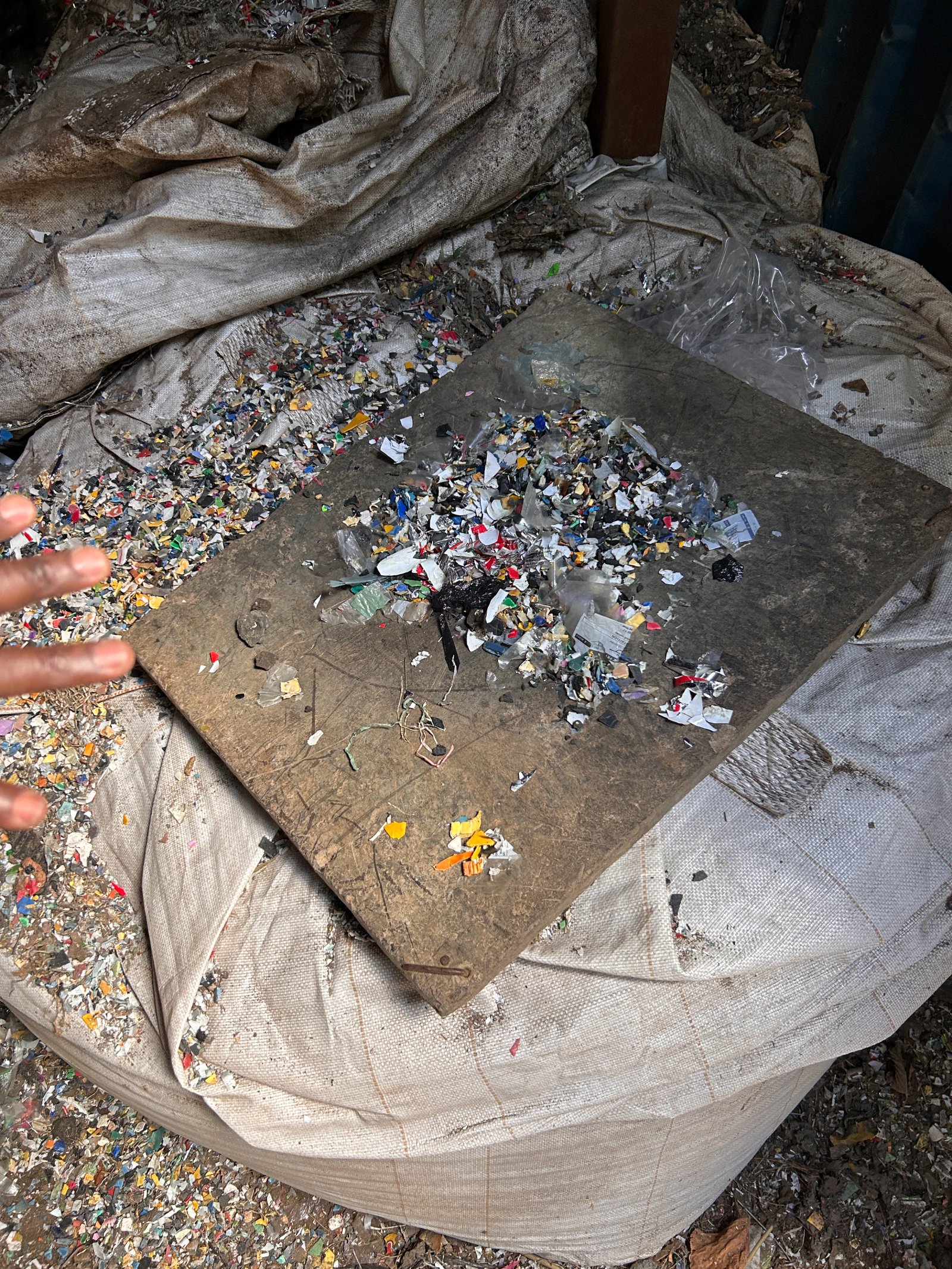
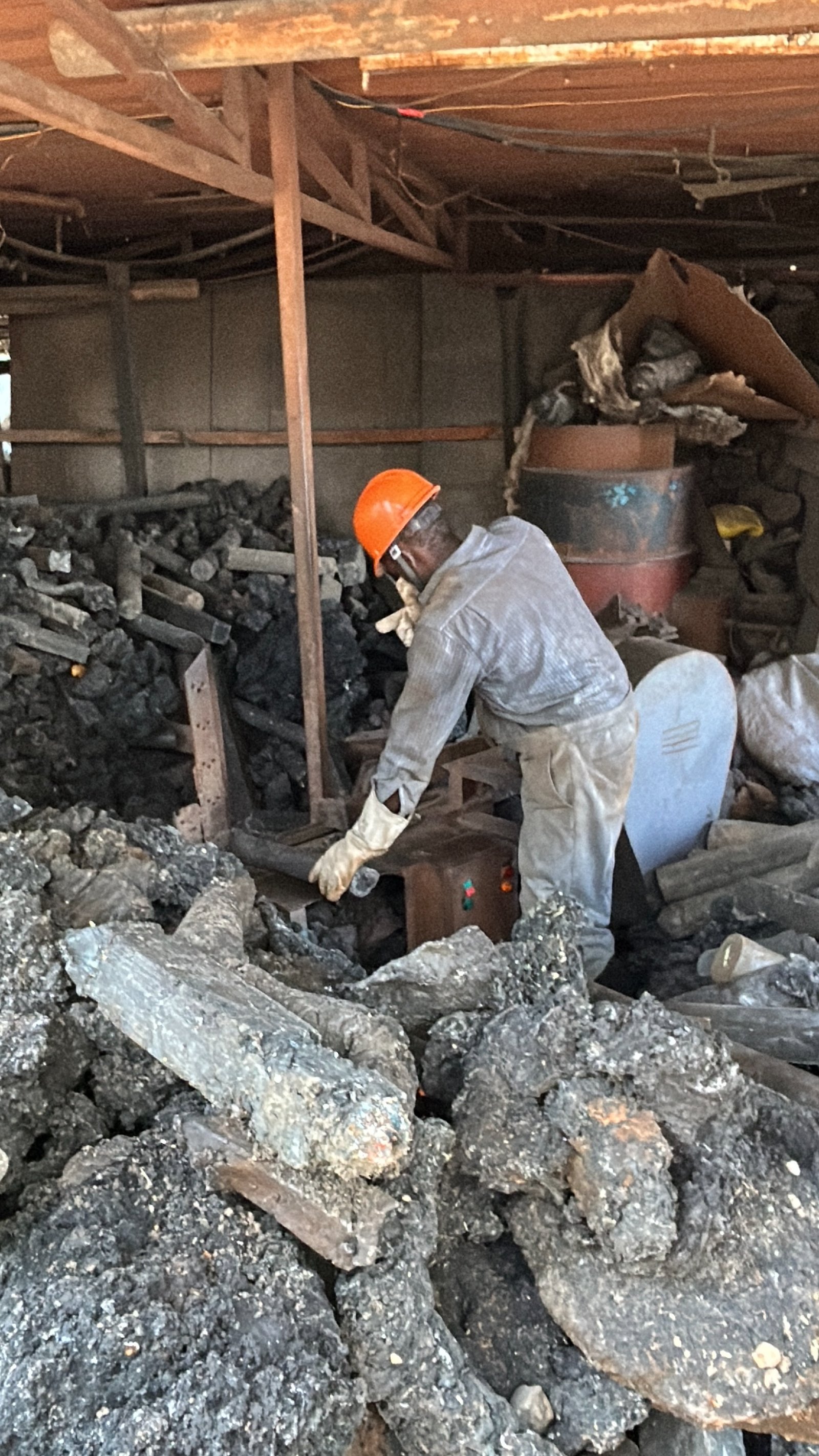
Every pole starts as something nobody wanted. Plastic packaging, food containers, bottle caps, broken household items. The material arrives in sacks, gets shredded down to flakes, and moves through Silverlink's sorting line where the worst contaminants are picked out by hand before anything goes to the press.
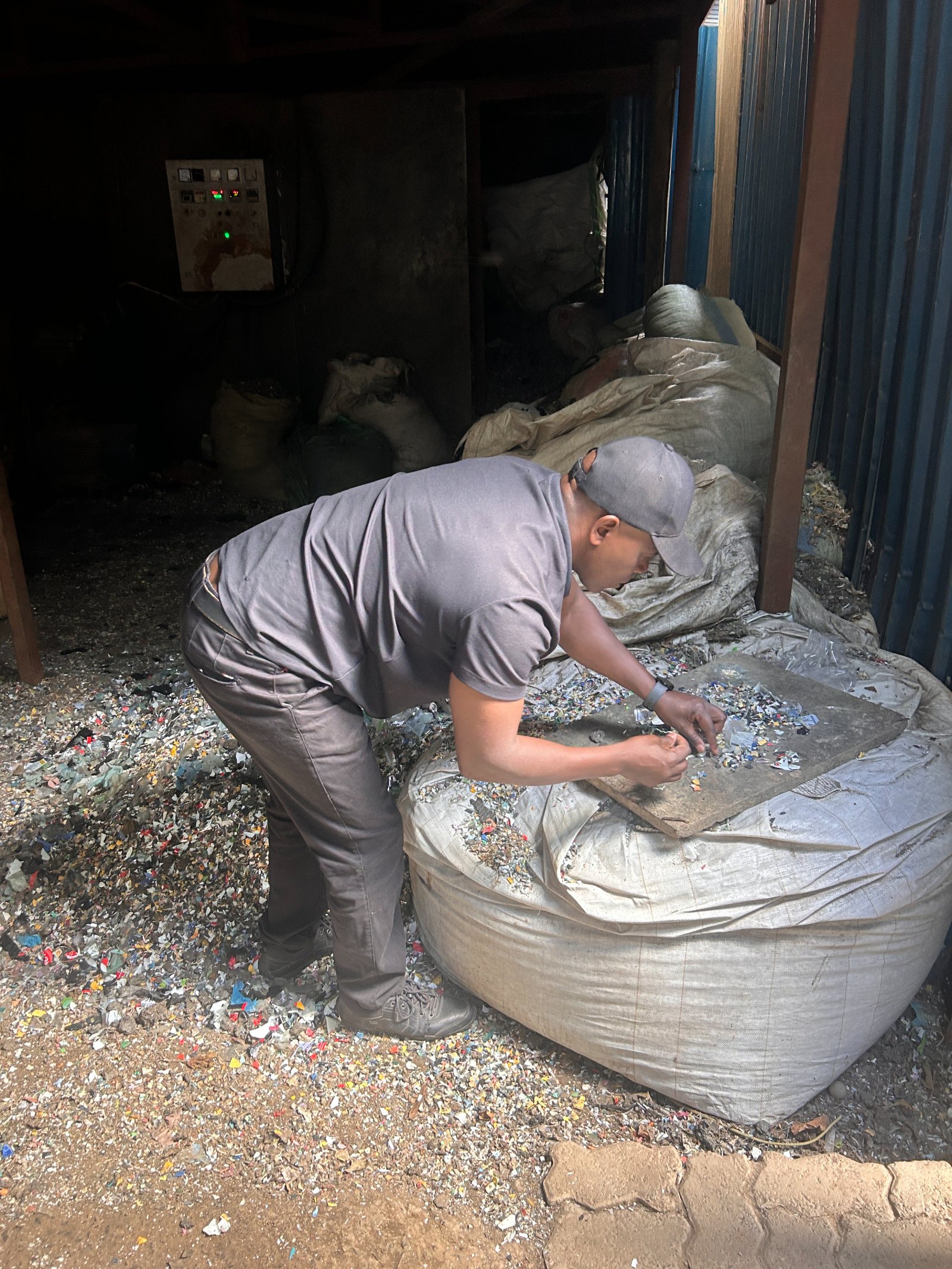
Process
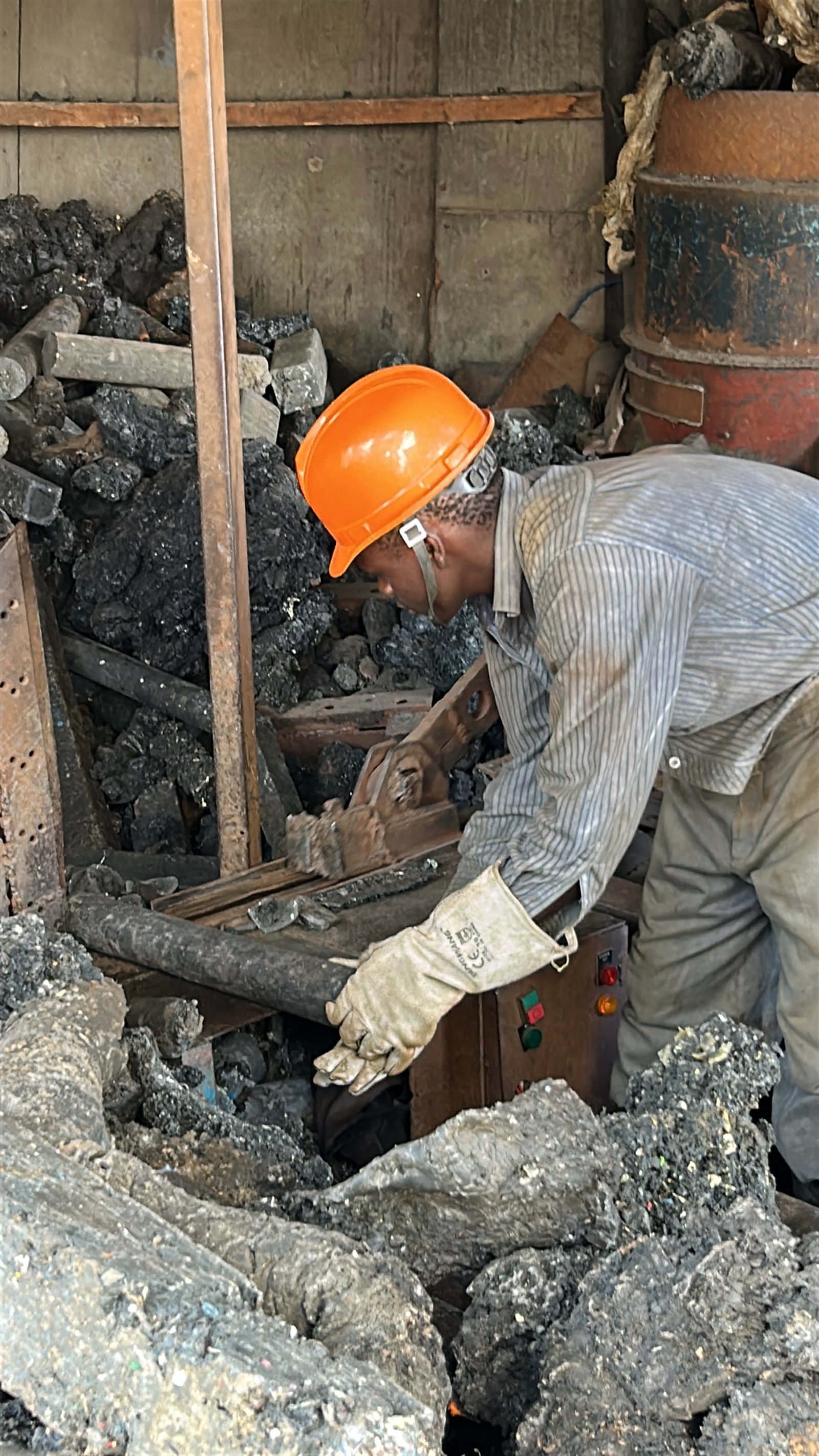
From the sorting line, the cleaned shreds move through heating, compression, and molding stages. The work is hot, physical, and precise. Every pole that leaves the facility started as a few hundred sachets and bottle caps that would otherwise be lying in a drainage ditch.
Four poles to a tree
What makes the model compelling is its direct environmental impact. As the video our interns put together shows, every four plastic poles purchased saves one tree. That simple equation connects this work to everything we do in reforestation, regenerative agriculture, and biochar.
We already use Silverlink's plastic poles on our own farms. They are durable, practical, and aligned with our mission to build climate-positive systems from the ground up. They do not rot in the rainy season. They do not need replacing every two years. The cost compounds in the right direction.
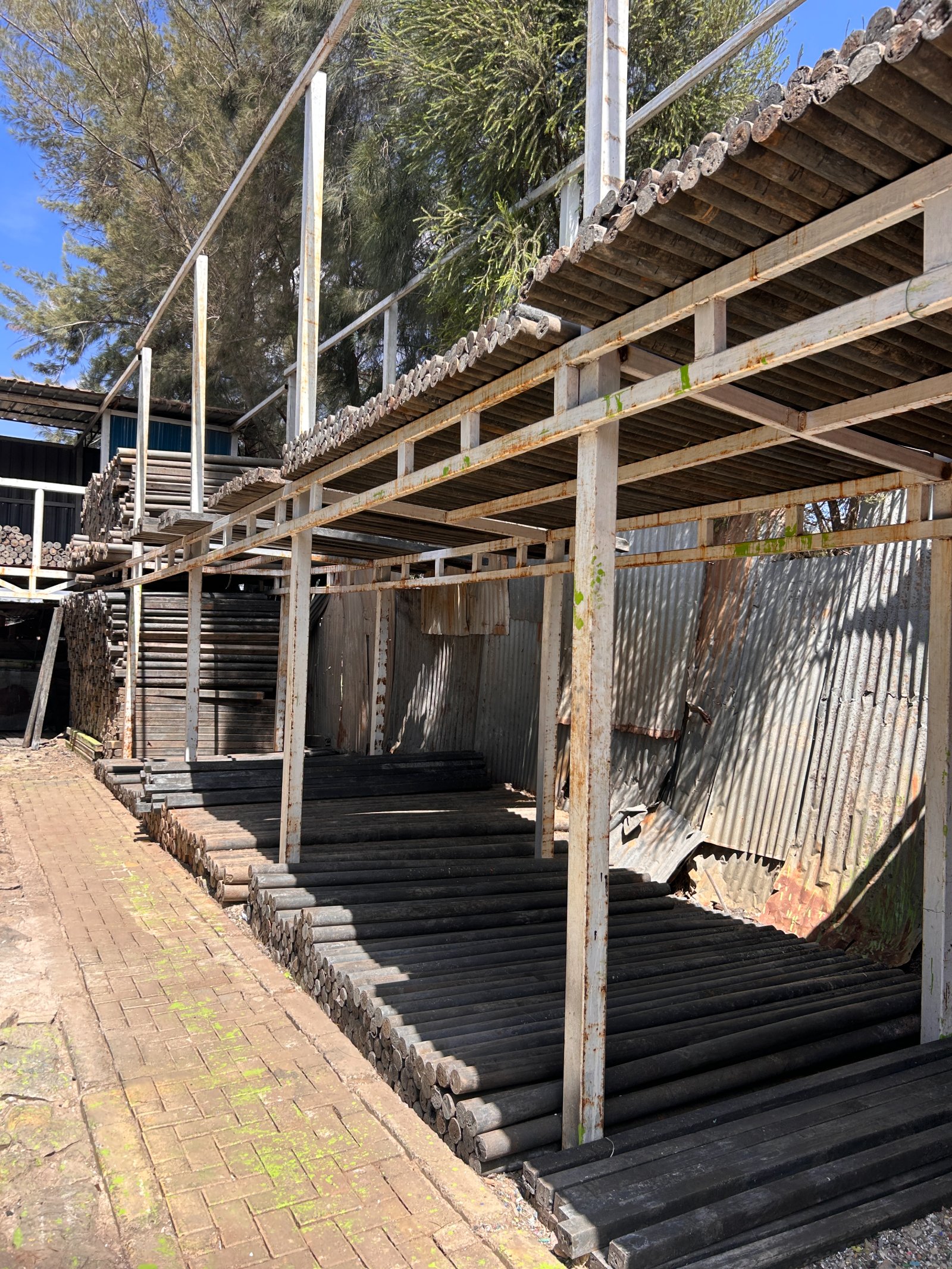
Four for one. Every four Silverlink plastic poles in service is one tree that does not have to be cut to make a fence post, a beam, or a stake. Multiply that across our farms, and the math gets interesting fast.
Plastic credits, next
We also see an opportunity to support Silverlink through plastics credits. Plastics credits are an emerging mechanism that rewards companies for the environmental value they create by recovering and repurposing plastic waste. By helping Silverlink access that pathway, we can support their continued growth so they can serve more communities, produce more poles, and reach more land.
Why partnerships like this matter
This is the kind of partnership that shows how climate innovation works best. Complementary solutions, coming together, solving multiple problems at once. Silverlink addresses plastic waste, reduces deforestation pressure, and creates a durable product. Their work complements ours in sustainable land use, carbon removal, and farm resilience.

A film from the visit
Watch the video the interns produced. It shows Silverlink's work in action and explains why a small operation processing plastic waste matters for the future of sustainable development.
Want to read about our other work? Browse our projects or explore live data on Pamoja DMRV ↗.