

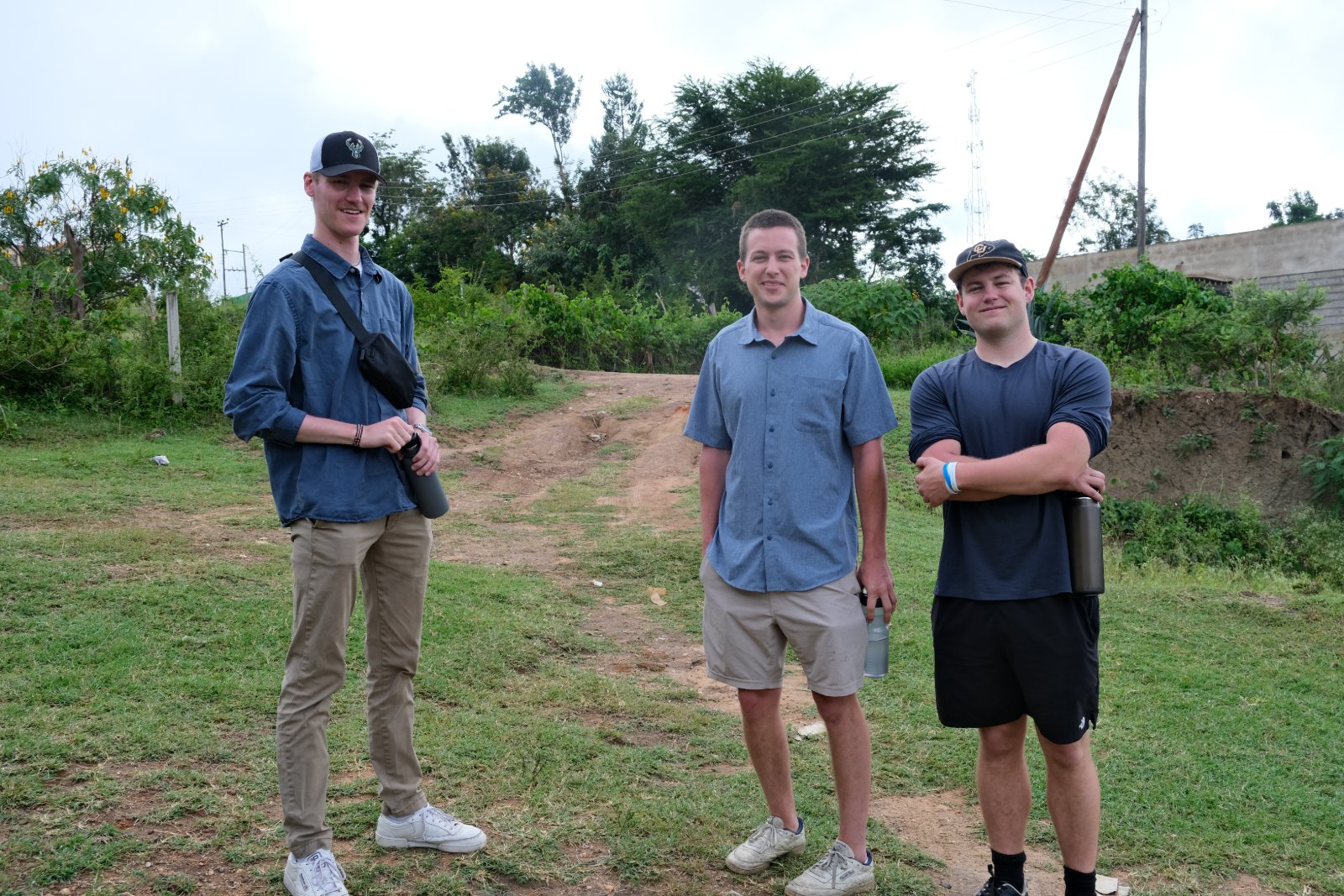
The work at Consuming Carbon is never just about credits. It is about people, place, and climate solutions that create lasting value for the communities doing the work on the ground. A recent visit to Wamunyu brought that into sharp focus.
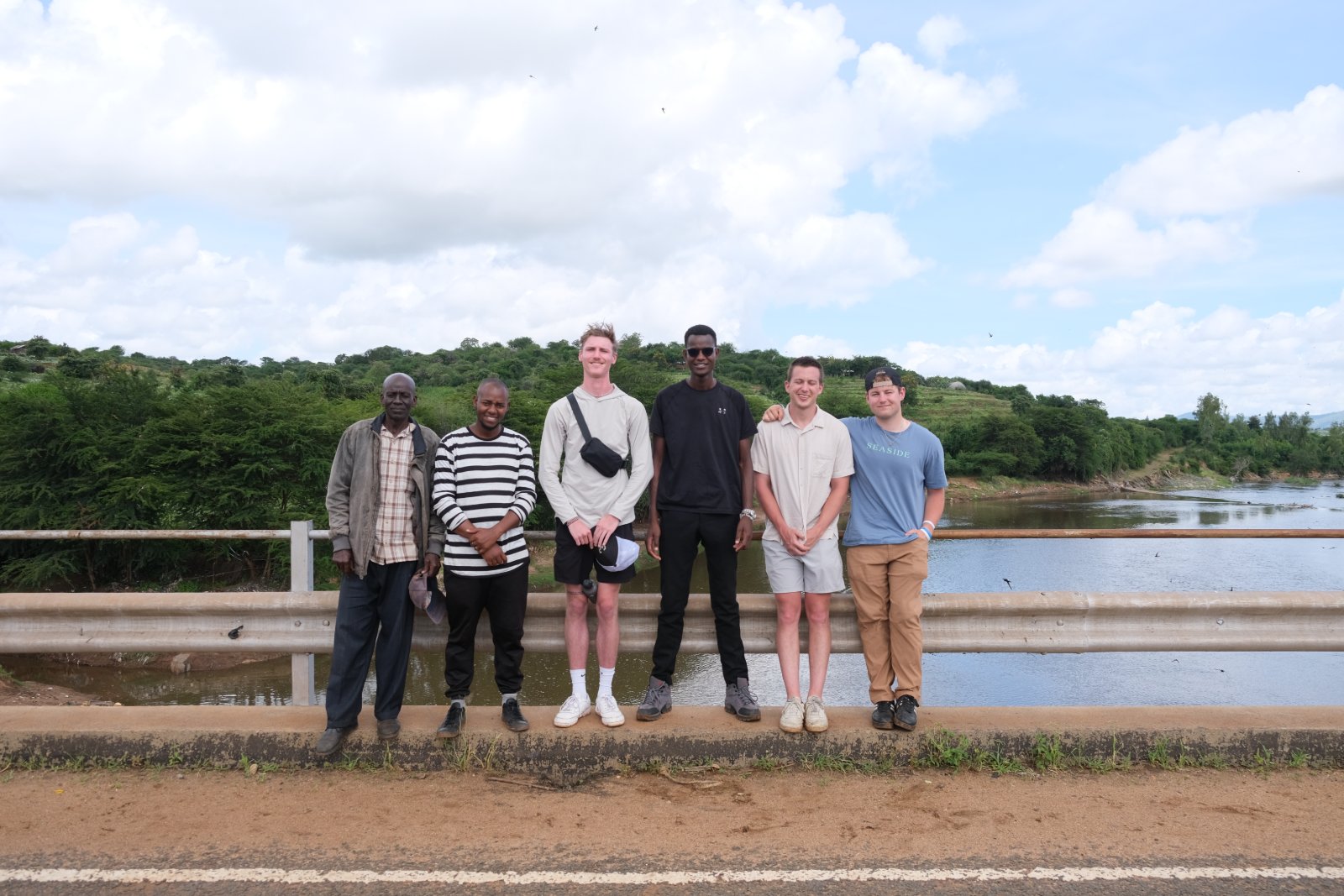
University of Virginia interns Samuel, Jake, and Camper spent three days walking the cooperative's land with Charles Cardovillis, who leads our Africa team. They met the people who will shape what gets built next, and contributed to the early ground-truthing that any serious project has to do before the first piece of equipment arrives.
Why Wamunyu matters
Wamunyu is not just another project location. It is the home area of our founder, who is himself a member of the local cooperative. That personal connection runs through everything we do here. Our commitment in Wamunyu goes beyond project development. It is rooted in trust, shared history, and a long-term vision for what this community can become.
What three days on the ground actually looks like
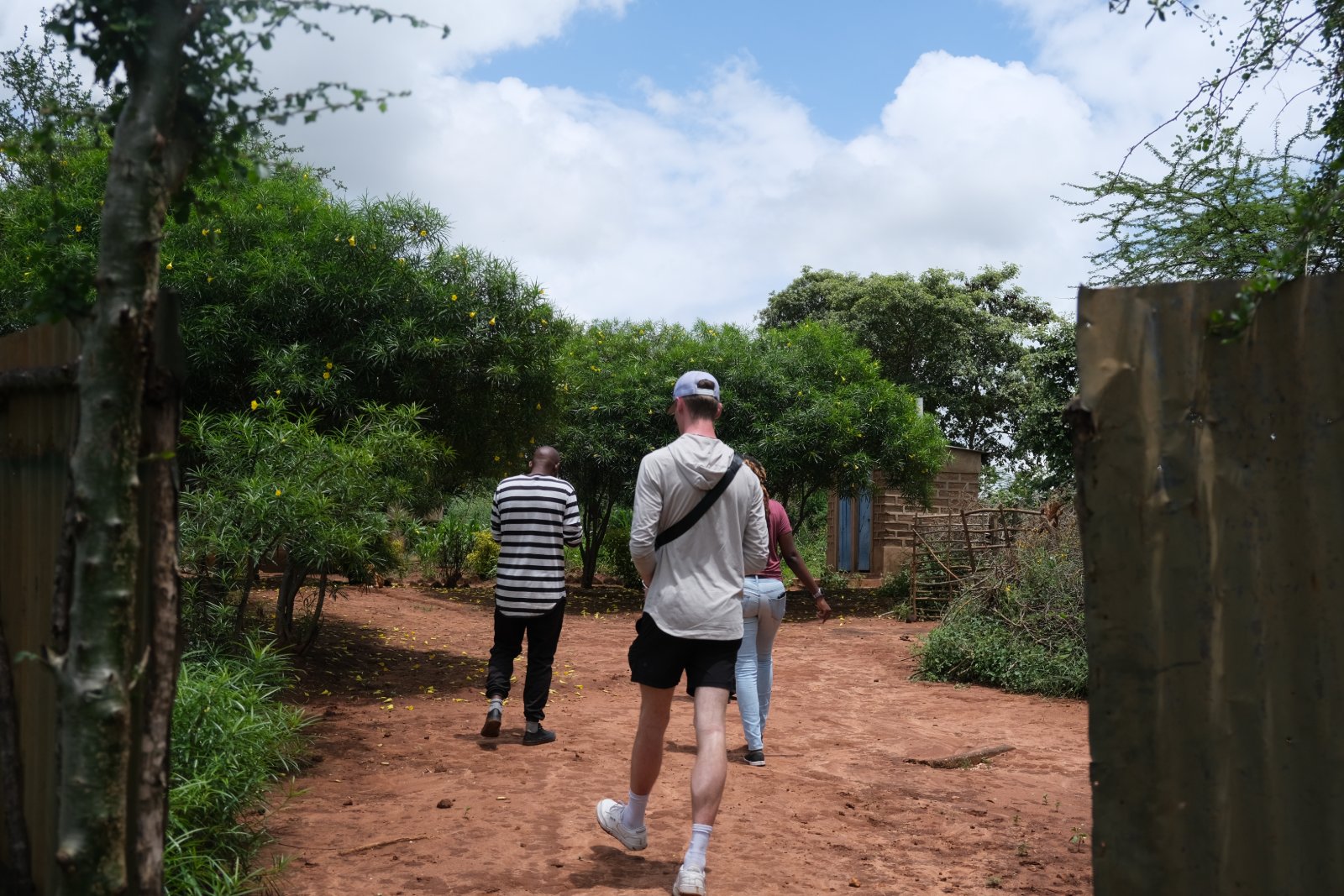
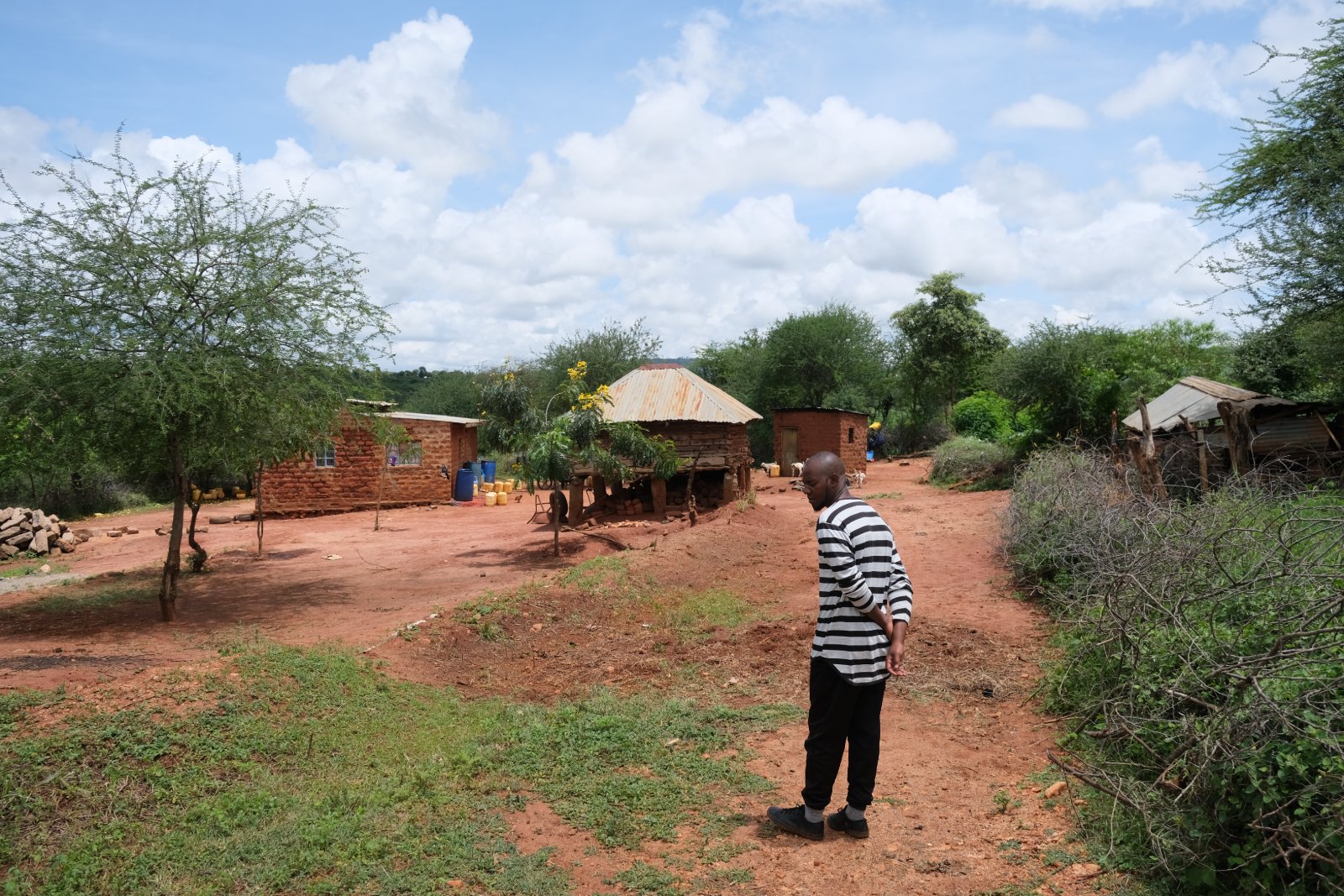
Over the visit, the team met with cooperative leaders, community members, and our local project developer in Mamoonia. Together they ran a ground-truthing process that helps us understand local conditions, available feedstocks, and the practical realities that shape whether a project succeeds or stalls.
That kind of fieldwork is essential. Carbon methodology lives in spreadsheets and PDFs. The land does not. Walking it with the people who farm it is the only way to know what you are actually working with.
Why biochar, first
Biochar is one of the first solutions we are exploring with the cooperative because it solves several problems at once. The area produces significant amounts of organic waste. Left unmanaged, that waste decomposes or is burned. Run through a controlled biochar process, it becomes a stable soil amendment that locks carbon away for centuries and gives the land back the structure it has lost to years of synthetic inputs.
For Wamunyu's farmers, the benefits compound. Enriched soil reduces dependence on expensive fertilizer. Better soil holds more water through dry spells. Healthier crops mean stronger households, which means a stronger cooperative.
A 25% floor on the credits
Alongside the soil work, the carbon itself opens a new revenue line through credit development. Our position on that revenue is simple. Climate finance should meaningfully benefit the people who make these projects possible. Our plan in Wamunyu is to return at least 25% of the carbon credit value generated by this work back into the community.
The community split. Twenty-five percent of credit value, minimum, flows directly back to Wamunyu. It is not a marketing line. It is the floor we build every budget around.
A film from the visit
The interns filmed their time on the ground. The footage captures the landscape, the technical preparation, and the conversations that make a project like this real.
What this becomes
We are proud of what Samuel, Jake, and Camper contributed during the visit, and grateful for Charles's leadership on the ground. Most of all, we are excited about what Wamunyu can become. A model for how community-based climate solutions restore soil, support farmers, and build a more equitable carbon economy from the ground up.
Want to follow this project? Read the project page or explore live data on Pamoja DMRV ↗.