Consuming Carbon is a full-cycle developer focused on building and investing in high-integrity removal worldwide.

We combine scientific precision with a developer's vision to deliver utility-scale, commercial, and community-led projects that are verified, permanent, and biodiverse .

Start a Project
01

Proven Standards

Adhering to premier registries including Verra's VCS and CCB, Puro.earth's CORC methodologies, and Gold Standard protocols, we ensure all carbon credits satisfy stringent criteria for additionality, permanence, leakage prevention, and independent third-party validation.

02

Impact Focused

Our projects generate verifiable co-benefits, including enhanced community livelihoods, biodiversity preservation, and equitable benefit-sharing mechanisms that drive sustainable development and stakeholder empowerment across diverse ecosystems.

03

Developer Minded

We address project developers' core requirements for bankability, mobilizing essential capital and delivering specialized technical expertise to unlock scalable opportunities in the voluntary carbon market.

04

Science Based

Encompassing afforestation, biochar production, and waste recycling initiatives, our methodologies are underpinned by empirical data, advanced dMRV systems, and robust scientific protocols for precise quantification and trans

05

Long-term Vision

Securing permanent removal through high-durability sinks like mangroves and peatland conservation.

/01

Pamoja Project

Avoidance
Flagship Project
SDG 1: No Poverty SDG 7: Clean Energy SDG 8: Decent Work and Economic Growth SDG 9: Industry, Innovation, and Infrastructure

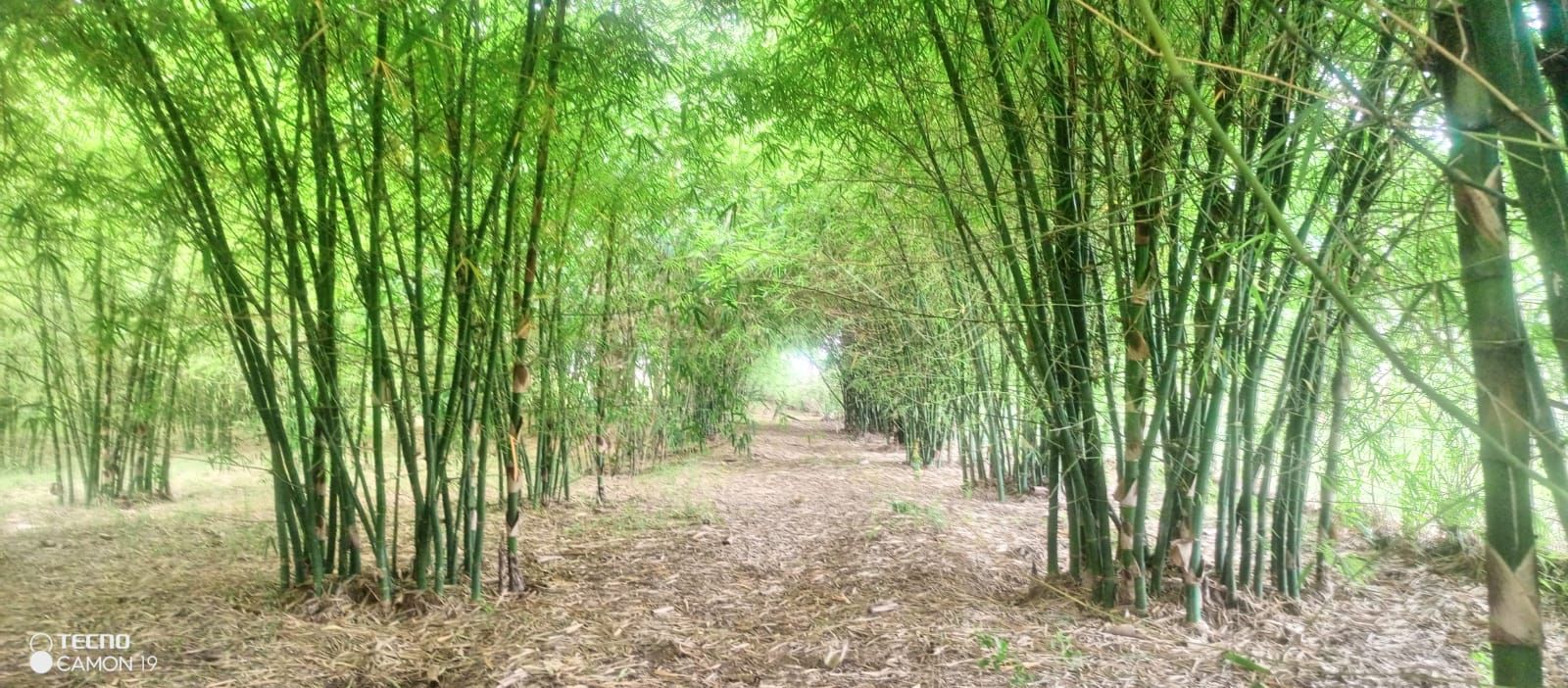
Pamoja is our flagship transformative bamboo afforestation project, designed to restore 6,000 acres of degraded riparian land in Busia County, Kenya. By combining rapid carbon sequestration through bamboo planting with biochar production from waste, the project creates a robust dual-revenue model. This initiative partners with 6,000 smallholder farmers, rewarding them for past "additionality" via vintage credits, while actively building a sustainable, local bamboo industry to produce furniture, clean fuel, and eco-cutlery.

Alternative energy Employment Creation
View Verification
/02

Hygrow Organic Fields

Organic Fertilizer / Biomass Management
Proof of Concept - VCS Project ID 5914
SDG 6: Clean Water and Sanitation (aquifer protection) SSDG 9: Industry, Innovation, and Infrastructure SDG 11: Sustainable Cities and Communities SDG 12: Responsible Consumption and Production SDG 13: Climate Action (methane avoidance and carbon removal)

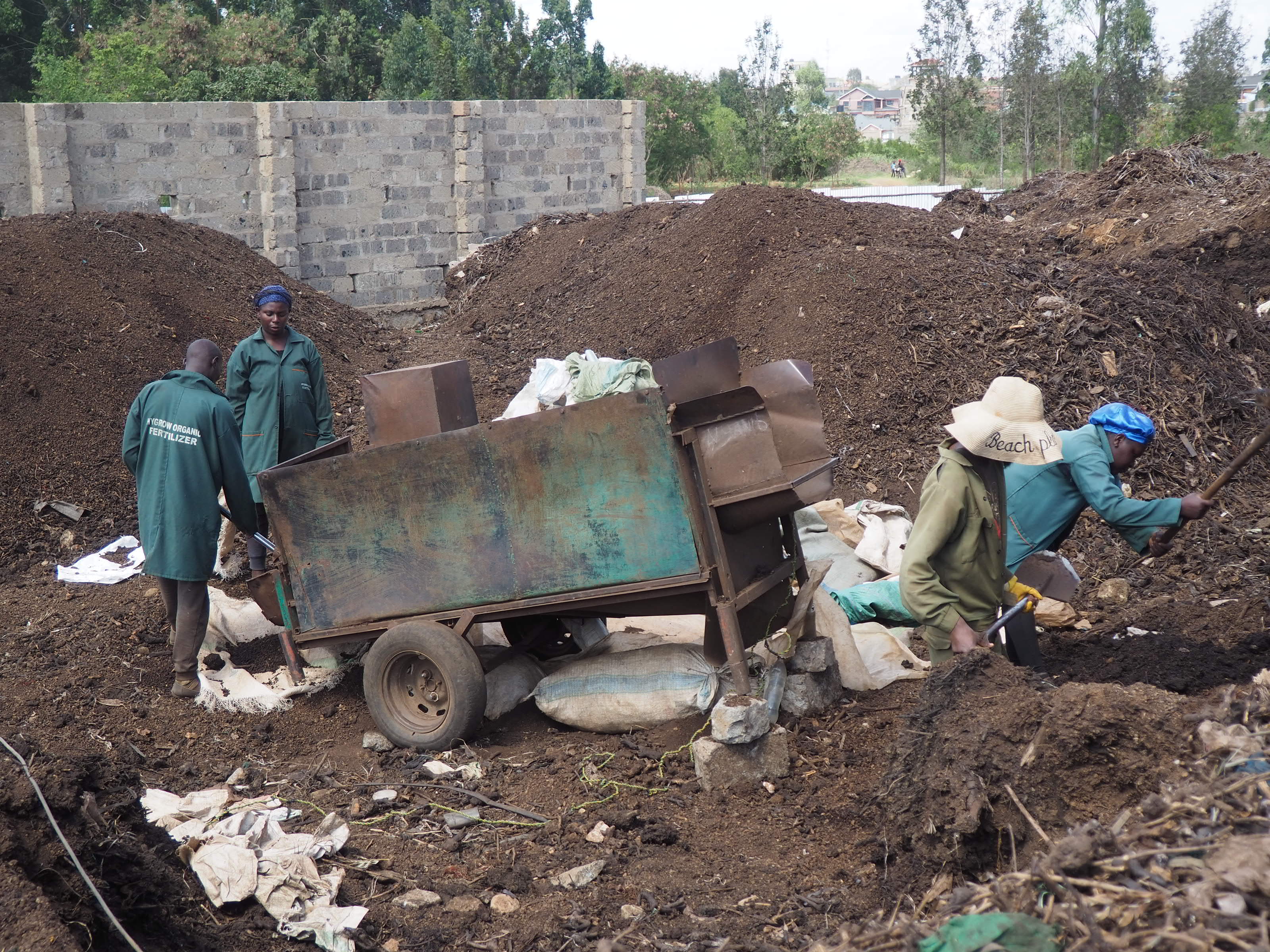
Serving as our active proof of concept, Hygrow Organic Fields demonstrates proven, ongoing demand for our premium soil amendments. This project transforms urban organic waste into "HYGROW"—a high-quality compost and biochar-blended fertilizer—while simultaneously avoiding methane emissions from landfills. Utilizing a hybrid operational model, it pairs aerobic composting of market and agricultural waste at a central facility with biochar production from rice husks via community kilns.

carbon reduction regenerative agriculture
View Verification
/03

CCC Wamunyu Biochar Project

Carbon - Subsidized Organic Fertilizer & Biochar Plant
Puro.earth (Biochar Carbon Removal)
SDG 1: No Poverty (improving farmer livelihoods and yields) SDG 2: Zero Hunger (food security and improved crop yields) SDG 12: Responsible Consumption and Production SDG 13: Climate Action (GHG removals and avoidance) SDG 15: Life on Land (restoring degraded semi-arid soils) SDG 17: Partnerships for the Goals (cooperative farmer model

The Wamunyu Biochar Project is a targeted soil carbon and agriculture initiative supporting over 2,000 farmers within the Farmers Care Cooperative. By converting problematic agricultural residues (such as maize cobs and sunflower husks) into biochar-enriched organic fertilizer using low-emission Taka Char kilns, the project turns agricultural waste into wealth. This highly traceable process enhances soil fertility in semi-arid regions, significantly improves water retention, boosts crop yields, and ensures long-term food security.

Alternative energy Employment Creation
View Verification