
Wamunyu Biochar Project
Biochar from sunflower husks, maize cobs and pigeon pea stalks, regenerating soil in a semi-arid farming region. Registered on Puro.earth.
Biochar · Soil regenerationWamunyuPuro.earthFacility 709136Field pilot complete
- 1FundYou fund. Your receipt is issued the same day.
- 2BuildThe work starts in the field: planting, or a stove installed.
- 3MonitorField data is logged by Pamoja, season after season.
- 4VerifyAn independent auditor checks the data and visits the site.
- 5IssueThe registry issues credits, each with a serial number.
- 6DeliverCredits reach you: retired in your name, or, for a company, transferred to its registry account.
Durations for biochar are set once the Puro.earth pre-assessment is live. The July 2025 field pilot is the first record behind this page.
District level only
10,000+tonnes of biochar a year, targetProject plan
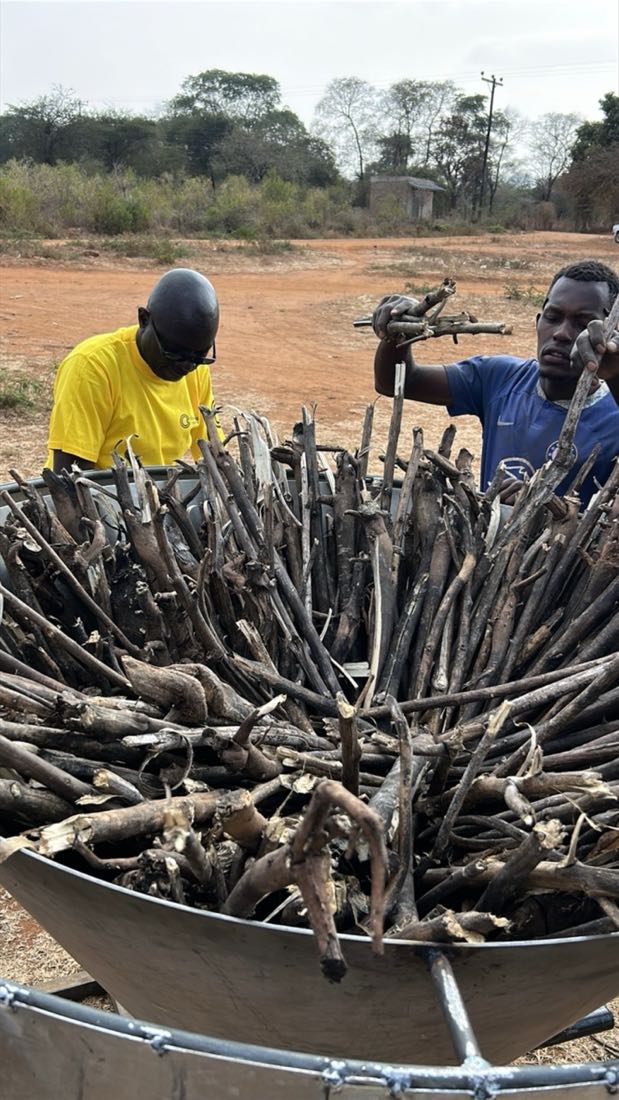
3feedstocks: sunflower husks, maize cobs, pigeon pea stalksProject plan
709136Puro.earth facility IDPuro.earth registration
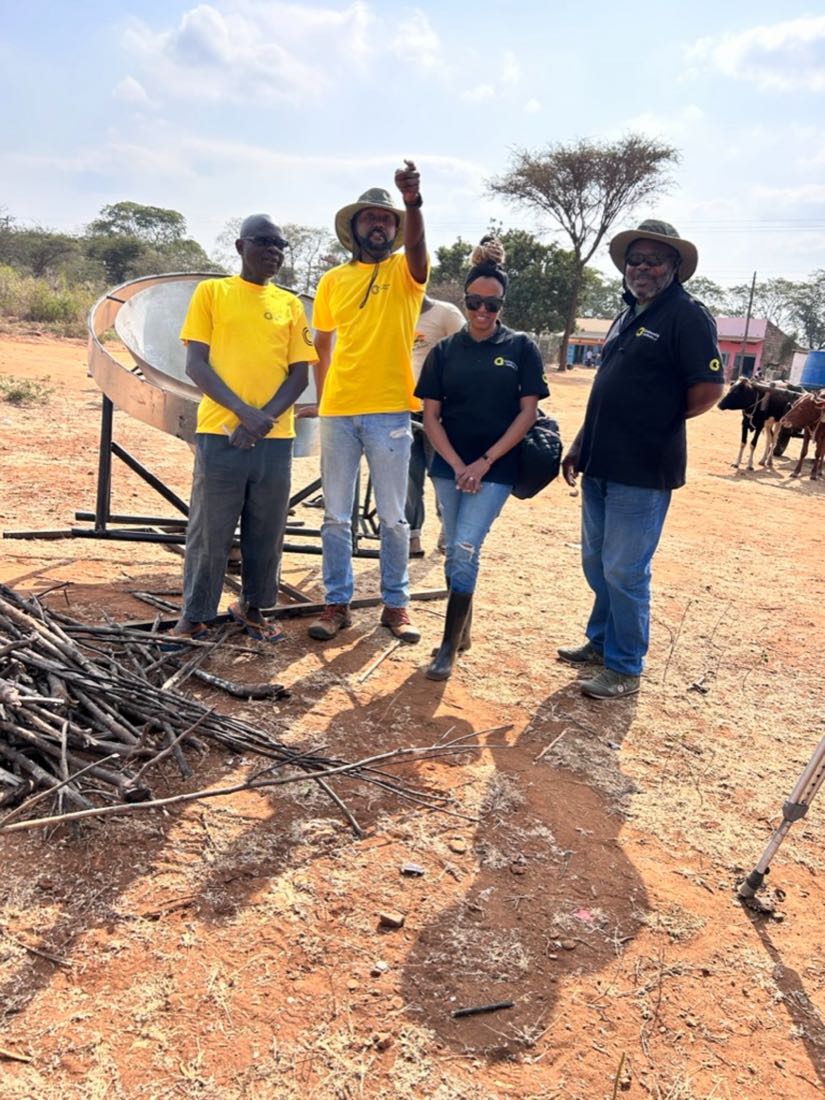
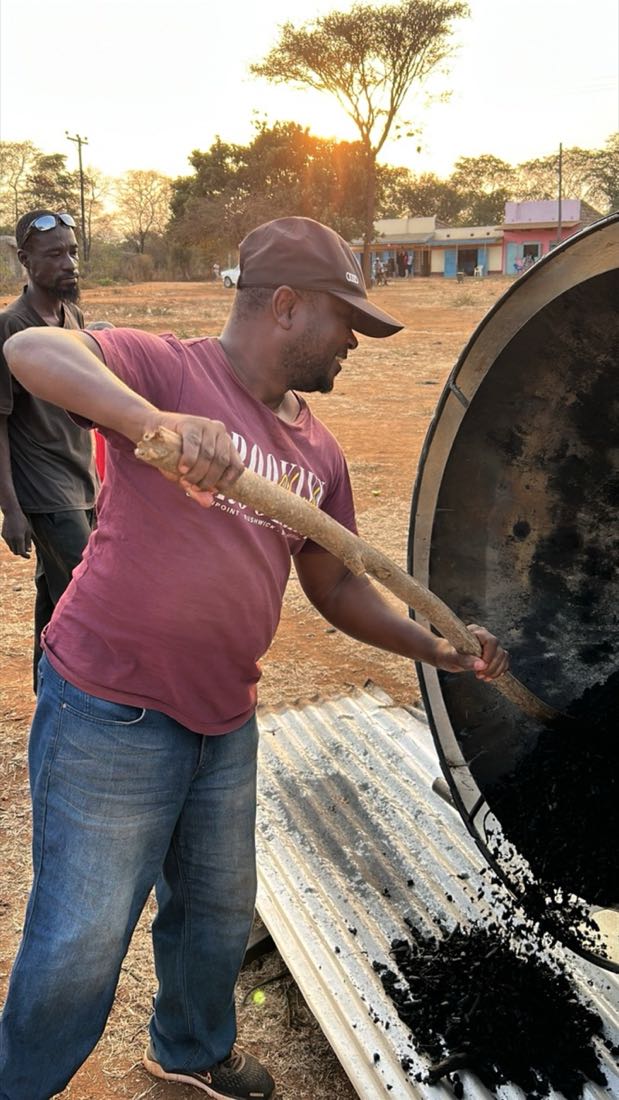
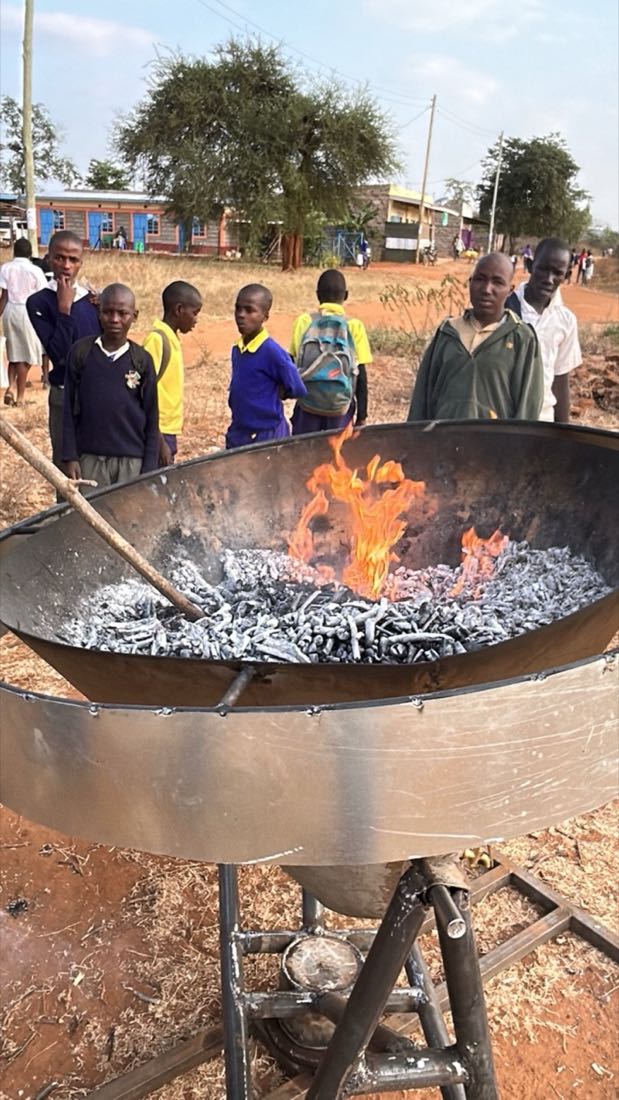
Jul 2025First kiln pilotField notesAbout the project
Nothing on this page is a credit until Puro.earth says so.
What changes on the ground
Soil that holds water
Biochar loosens hard ground and holds water through the dry months.
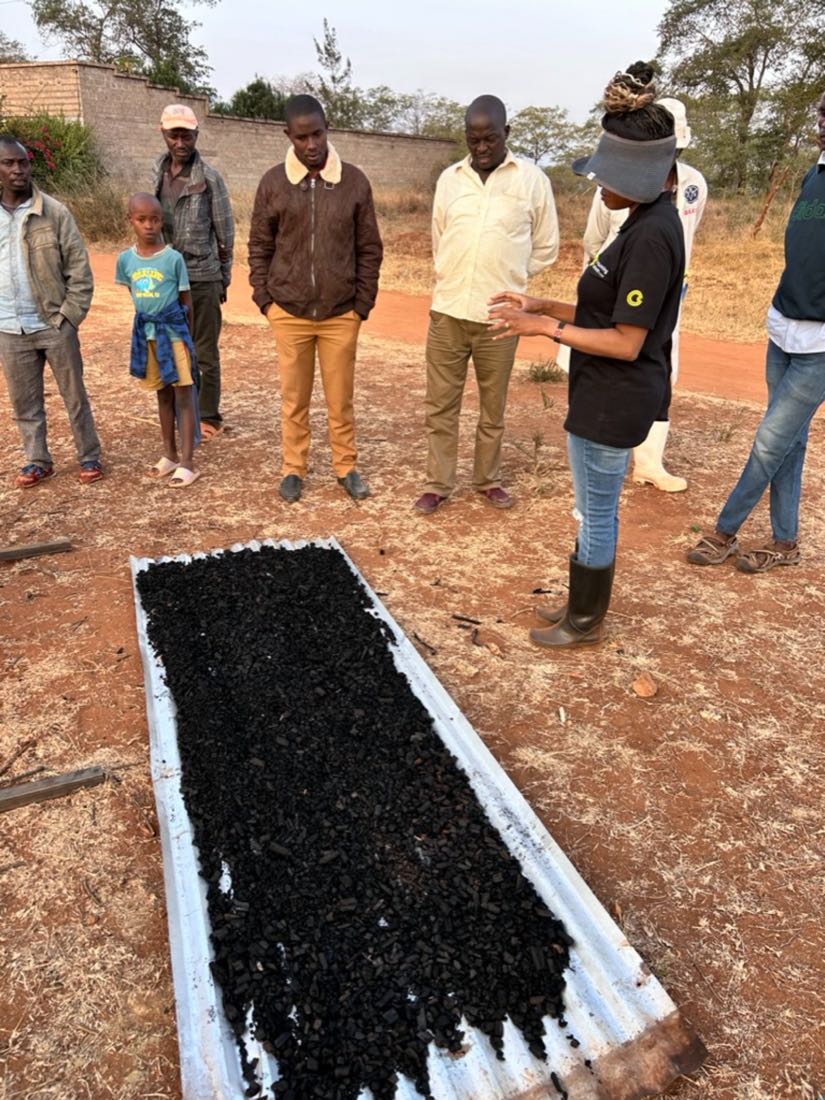
Waste into an asset
Husks, cobs and stalks that were burned or dumped now feed the kiln.
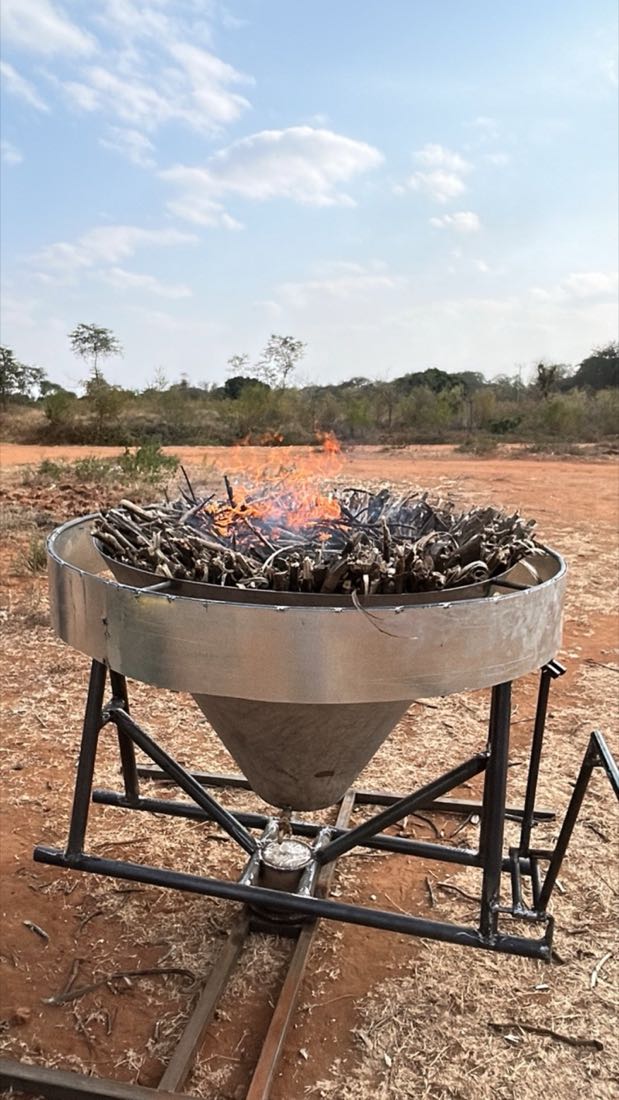
Cooperative income
The cooperative runs the kilns and shares in the credits.
Field records
Artisan biochar in Wamunyu: a July 2025 field pilotConsuming Carbon JournalJul 2025Ground-truthing in Wamunyu with the UVA internsConsuming Carbon JournalApr 2026Registry audit trail
Puro.earth facility registration 709136Puro.earthWhen publishedCommercial offering
Project information noteConsuming CarbonWhen publishedDocuments open from Pamoja DMRV at launch.
The people
Wamunyu farmers’ cooperativePartner on the ground
Consuming CarbonProject proponent